
HPL Compact Lockers in Cairo
A locker in a gym changing room takes more abuse than almost any other piece of furniture in the building. Doors slammed hundreds of times a day, humidity that never fully leaves, cleaning chemicals strong enough to kill mould, and the occasional wet towel left sitting against the base. Most locker failures are not manufacturing defects. They are material failures. The wrong core material in the wrong environment. This page explains what compact HPL lockers are, why they outperform MDF and melamine alternatives in humid environments, and what to specify for a Cairo gym, clinic, or school.
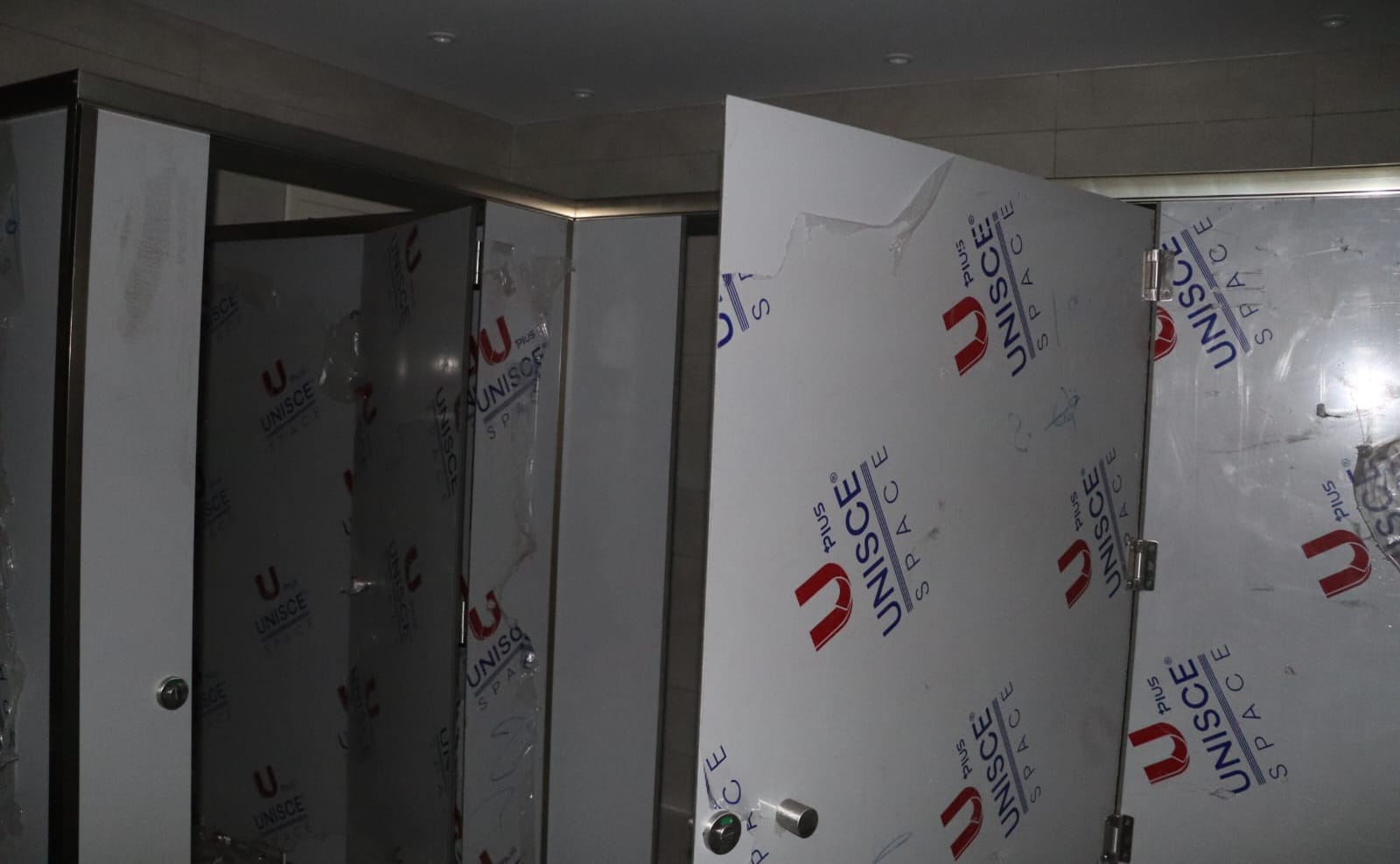
Why Changing Room Lockers Fail in Cairo
The humidity problem
A gym or sports club changing room in Cairo runs through a punishing daily cycle. Hot humid air during peak hours, then a dry-out. Six hundred cycles a year. Any locker material with an absorbent core moves with every cycle: it swells when humid, contracts when dry, and gradually loosens every joint, hinge fixing, and door alignment in the carcass.
Melamine-faced MDF is the standard material for budget lockers and it is the first to show the problem. The door bottom swells and drags. The carcass corners open up. The hinge fixings loosen because the material they are anchored into has changed dimension. A locker that was tight and functional on day one is noticeably degraded within eighteen months.
Why compact HPL is different
Compact HPL is solid phenolic resin and kraft paper through its entire thickness. There is no absorbent core, no substrate, and no material interface for water to exploit. The panel does not change dimension with humidity, which means door alignment, hinge fixings, and carcass joints stay exactly as installed. A compact HPL locker installed in a Heliopolis gym in 2018 looks and functions the same today as it did on commissioning day.
Where HPL Compact Lockers Work Best in Cairo
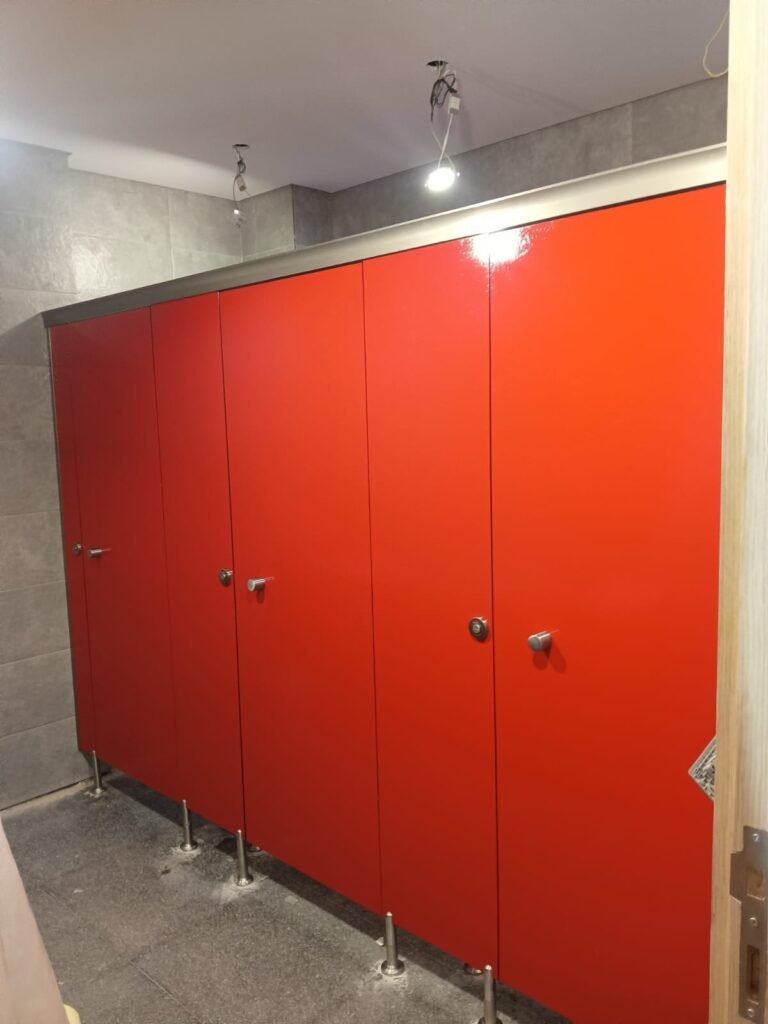
Gyms and fitness clubs
This is the primary environment compact HPL lockers were designed for. High-traffic changing rooms in gyms and fitness clubs across Heliopolis, New Cairo, Nasr City, Maadi, Sheikh Zayed, and the Fifth Settlement all face the same brief: the lockers need to survive five to ten years of daily use without requiring replacement. Compact HPL delivers that where melamine MDF does not. The material also handles the bleach-based cleaning protocols that most gyms run without surface degradation.
Schools and universities
School changing rooms and corridor lockers take a different kind of abuse: impact. Books and bags thrown in, doors kicked closed, hardware stressed beyond what normal use implies. Compact HPL panels absorb impact better than MDF because the solid cross-section does not delaminate or chip from the inside. The surface maintains its appearance through dents and scratches that would expose the core of a standard laminated panel.
Clinics, hospitals, and medical facilities
Staff changing areas and patient locker banks in medical facilities specify non-porous surfaces for the same reason they specify non-porous worktops and partitions: hygiene protocol. A compact HPL surface can be wiped to clinical standards without damage. The non-porous face gives mould and bacteria nowhere to anchor between cleaning cycles.
Hotels and hospitality
Spa changing rooms, pool-side locker banks, and hotel leisure floor storage all need to present well and hold up against water exposure that would destroy standard furniture. Compact HPL lockers in these environments typically outlast two or three cycles of melamine MDF replacements, and the finish range is wide enough to suit a premium hotel specification.
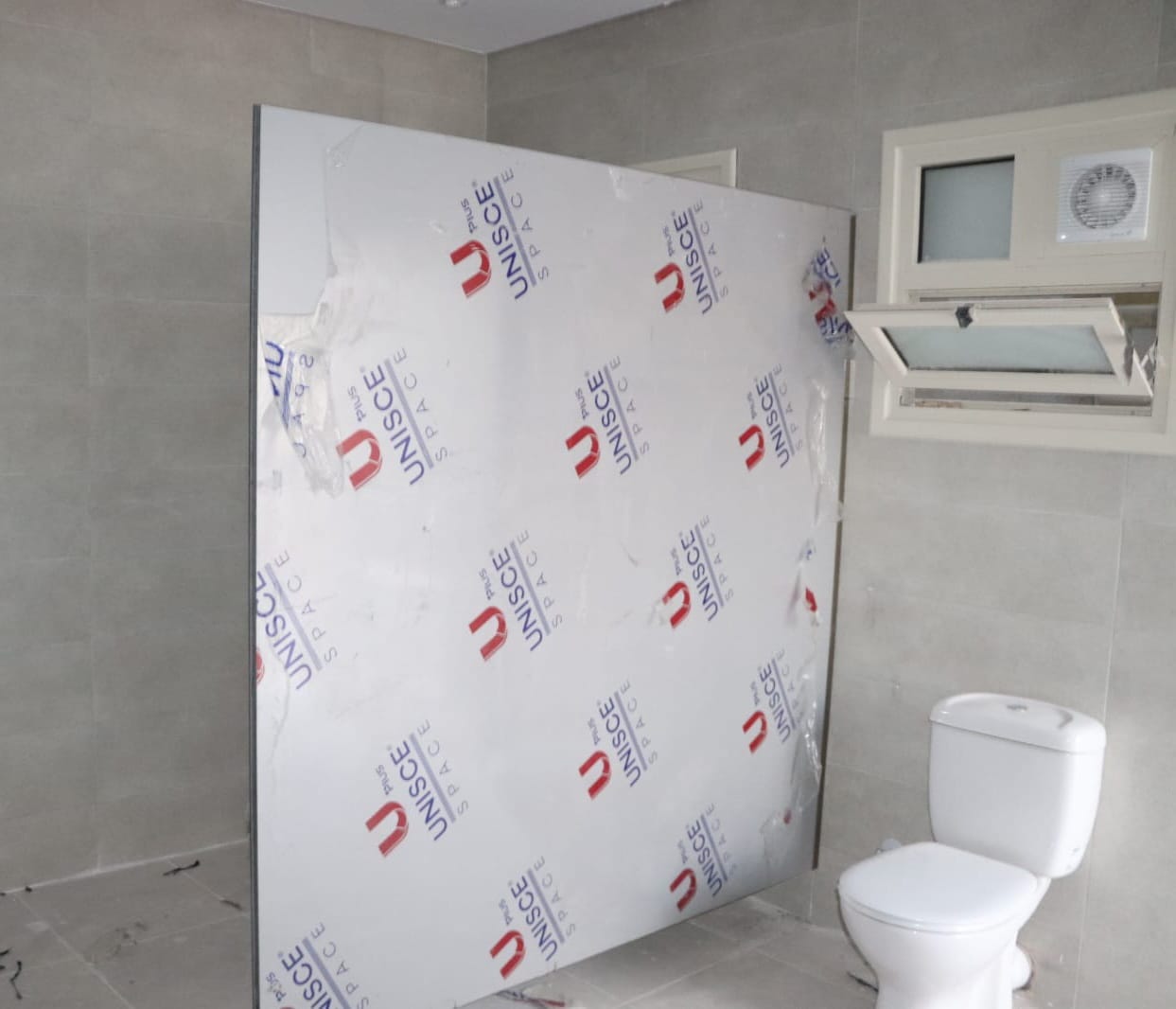
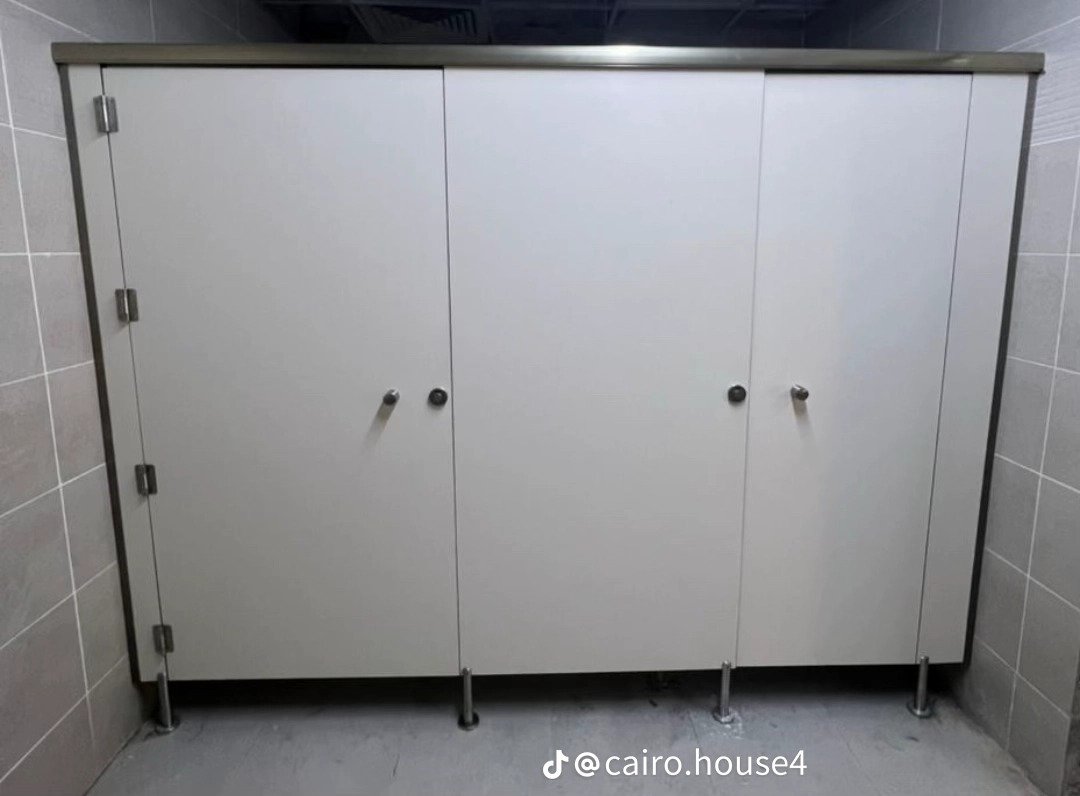
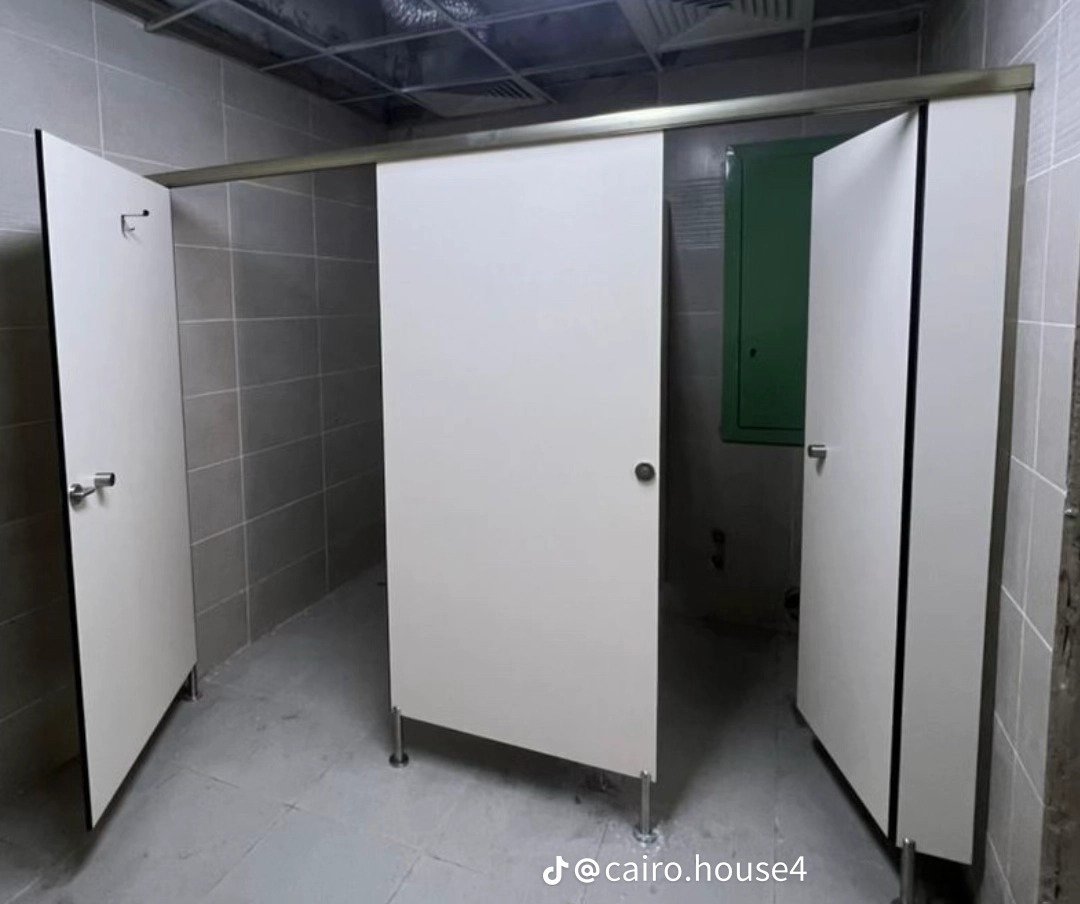
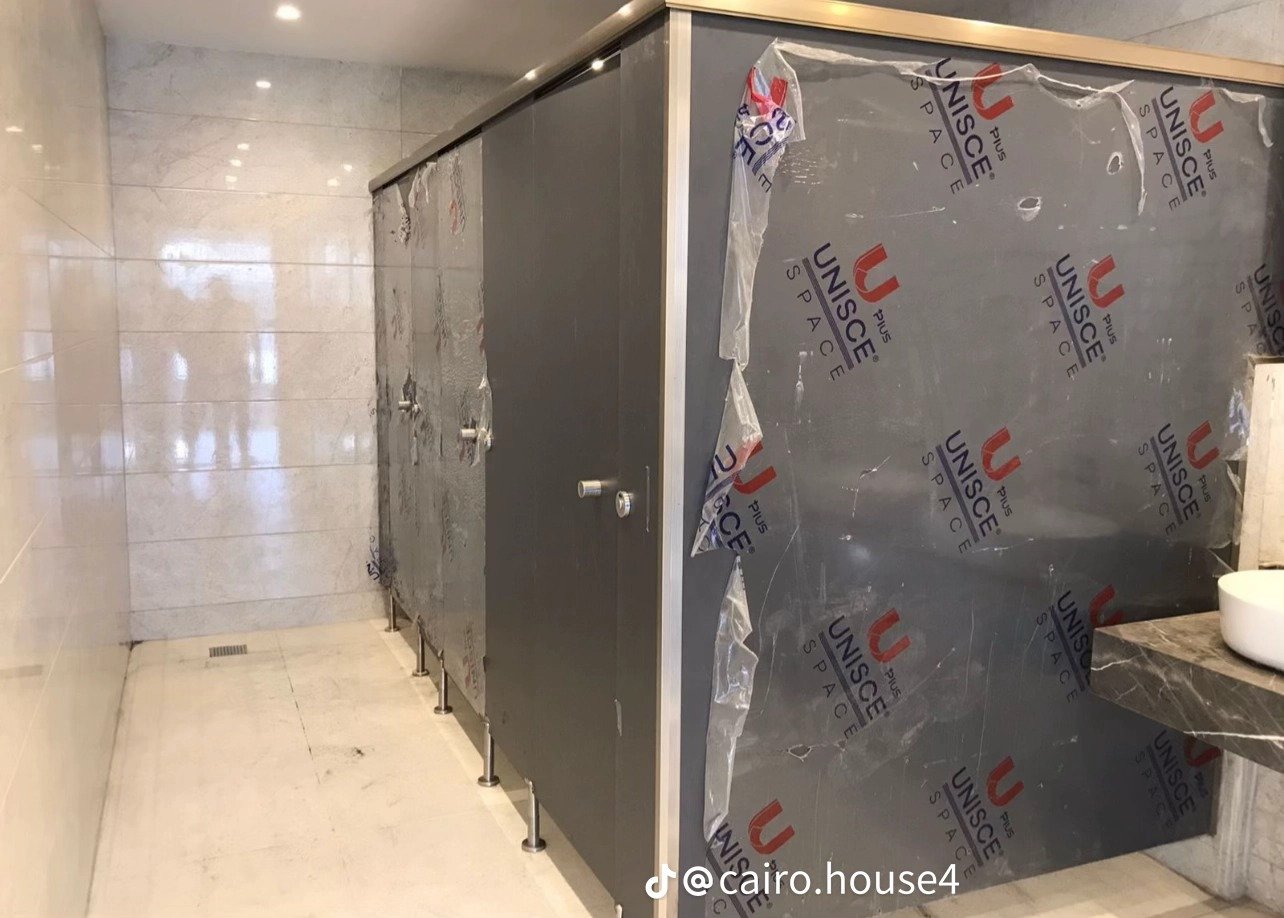
The same compact HPL panels used in the lockers feed our HPL compact partitions and HPL compact worktops range, so a single colour can run across a complete changing room fit-out without batch drift between products.
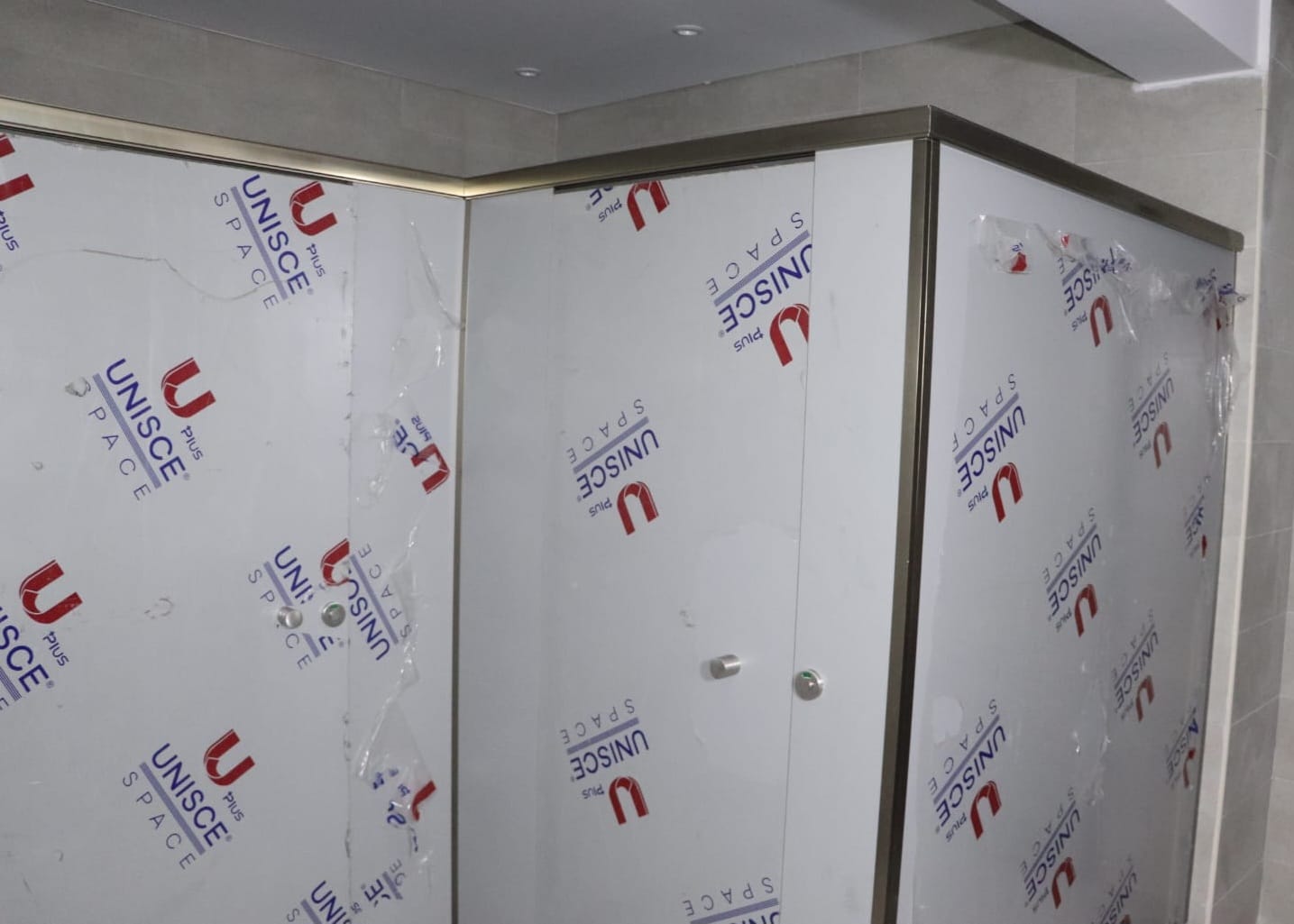
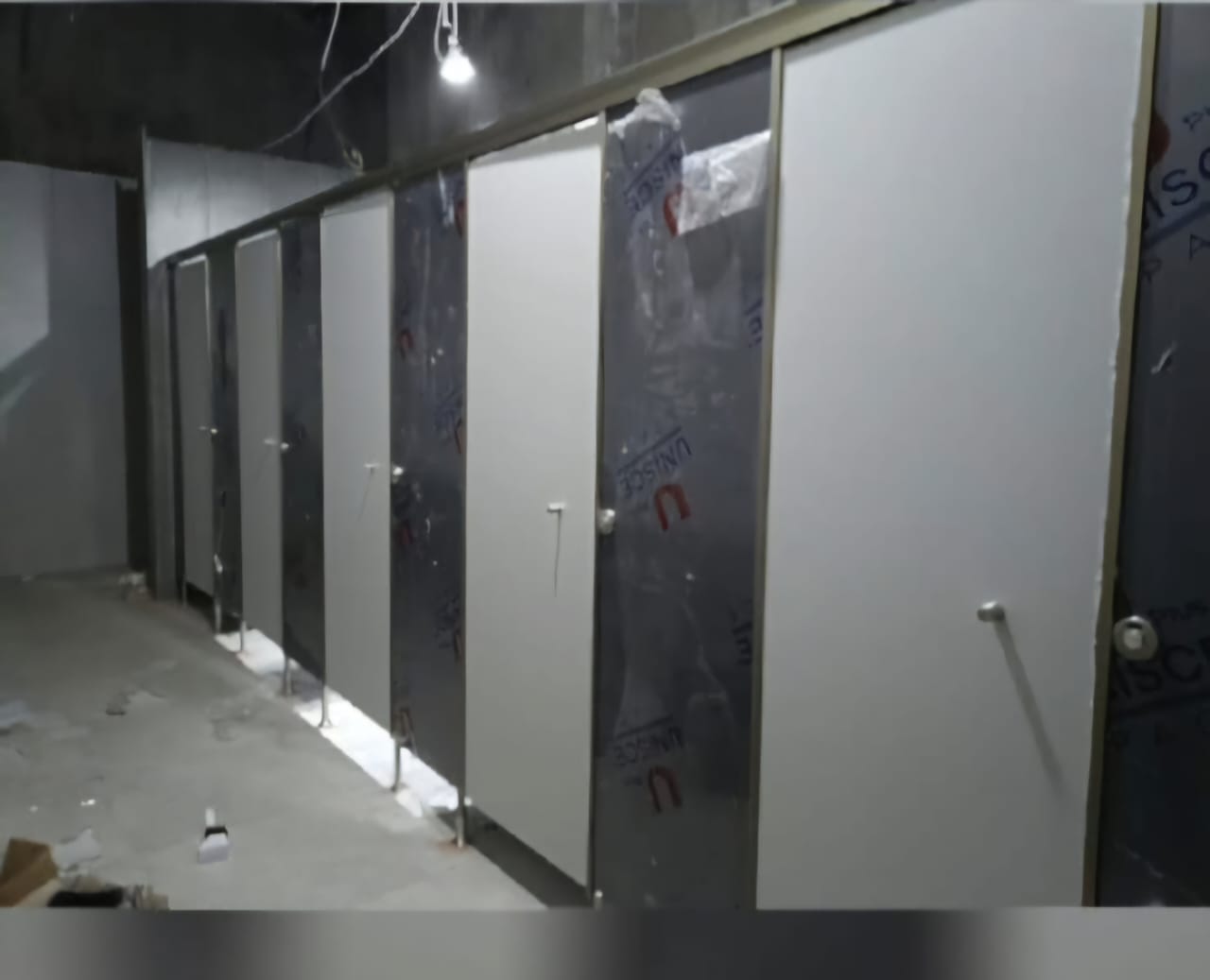
Specifying HPL Compact Lockers
Panel thickness
13mm is standard for locker carcasses and doors. It provides adequate structural rigidity for single-tier lockers up to 1800mm high and door panels up to 600mm wide. For oversized doors or particularly high-traffic installations, 16mm or 20mm panels are available and significantly increase impact resistance and hinge retention.
Configuration options
| Configuration | Common use |
|---|---|
| Single tier, full height | Gym changing rooms, hotels, sports clubs |
| Double tier | Schools, offices, high-density changing areas |
| Triple tier | Corridors, day-use facilities, high-count installations |
| Box lockers (quarter height) | Pool-side, day spas, short-term storage |
Hardware
Hardware for changing room lockers must be specified to the environment, not carried over from a dry-area furniture schedule. Use stainless steel or satin aluminium throughout: hinges, cam locks, coat hooks, and number plates. Zinc alloy and plated steel hardware corrodes in a gym or pool-side environment within two years, which is the same lifespan problem that MDF lockers have but in a different component.
Locking options include key cam locks, coin-return cam locks, combination locks, and digital locks. The choice depends on whether the facility is day-use only or assigns lockers to members. Our partition accessories range includes wet-rated locker hardware across all these options.
HPL Compact Lockers vs. the Alternatives
| HPL Compact | Melamine MDF | PVC Lockers | Stainless Steel | |
|---|---|---|---|---|
| Humid environment lifespan | 10 to 15 years | 1.5 to 3 years | 5 to 8 years | 15+ years |
| Impact resistance | High, solid core | Low, chips and delaminates | Medium, flexes and dents | High, dents not chip |
| Hygienic surface | Yes, non-porous | No, degrades | Yes, but scratches hold soil | Yes |
| Finish range | Wide: colours, grains, textures | Wide but degrades | Limited colours | Brushed or mirror only |
| Cost in Cairo | Mid | Low upfront, high lifetime | Low-mid | High |
PVC lockers avoid the swelling problem but introduce a different one: they flex. A PVC door that flexes at every opening cycle fatigues the hinge fixings and develops a persistent bow that makes the door appear warped even when the lock is engaged. Compact HPL is dimensionally stable and rigid, which means doors that were true on day one stay true over years of use.
The Specification Checklist
Work through these before confirming a locker order.
- Confirm the carcass and door material is compact HPL, not melamine MDF. Ask for a cut edge sample. Compact HPL shows the same dense material throughout. MDF shows a lighter, softer core.
- Specify hardware grade to the environment. Stainless or satin aluminium for any changing room or wet-adjacent space. Nothing plated or zinc alloy.
- Choose locking type before fabrication. The carcass preparation differs between key cam, coin-return, and digital locks. Changing lock type after fabrication means replacement doors.
- Get a physical colour sample before ordering. A colour code on screen is not reliable under gym or corridor lighting. Confirm the finish in hand.
- Confirm all panels ship from one production batch. A locker bank with visible colour drift between adjacent units is the result of mixed batches.
- Check ventilation requirements. Solid-door lockers in a humid changing room need ventilation slots or perforated panels to prevent condensation inside the carcass.
- Ask who installs. If the supplier delivers only, confirm that the installation crew has worked with compact HPL. Fixings into compact HPL require different torque settings than fixings into MDF.
Working With كايرو هاوس – قواطيع حمامات كوريان و كومباكت HPL و ارضيات مرتفعة
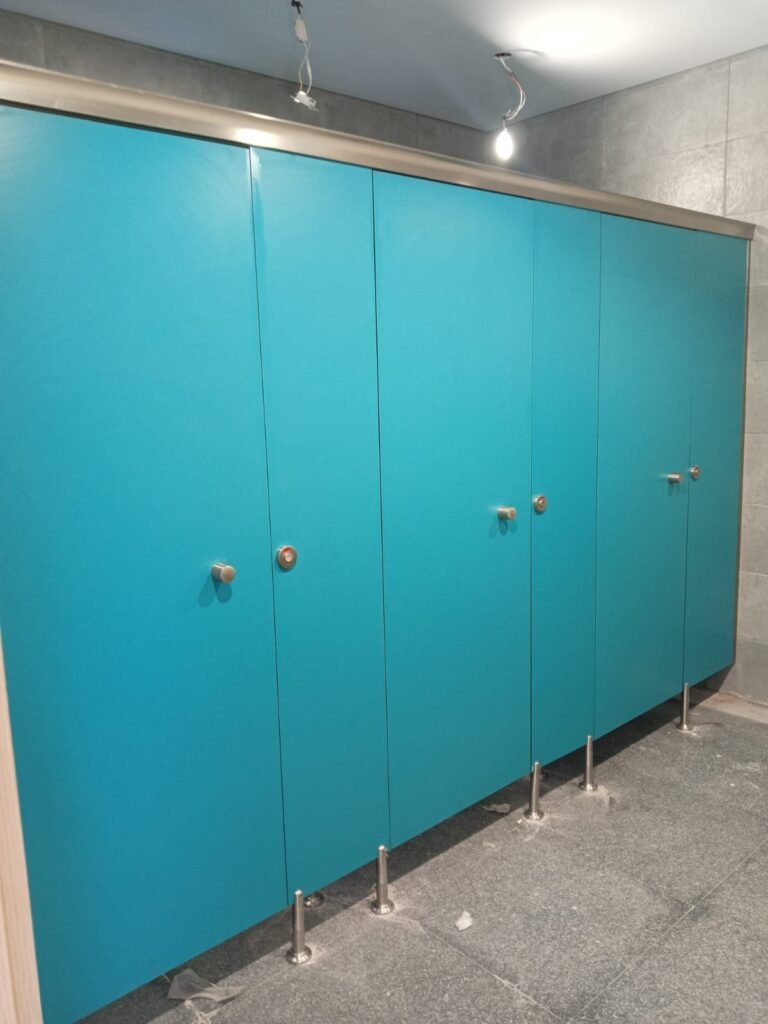
We have supplied and installed compact HPL locker systems from our New Nozha showroom since 2015, and we hold the exclusive Egypt agency for UNISCE compact HPL. Every locker system we supply is fabricated from the same UNISCE panels used in our partition and worktop range, which means colour consistency across a complete fit-out is guaranteed from a single supplier and a single material source.
Supply-only and supply-with-installation are both available. For projects that also include shower cubicles or toilet partitions, the complete changing room scope, from HPL compact partitions to compact HPL worktops to lockers, can be handled as a single contract. Our project portfolio includes completed changing room fit-outs across gym chains, schools, and hotel leisure facilities in Cairo.
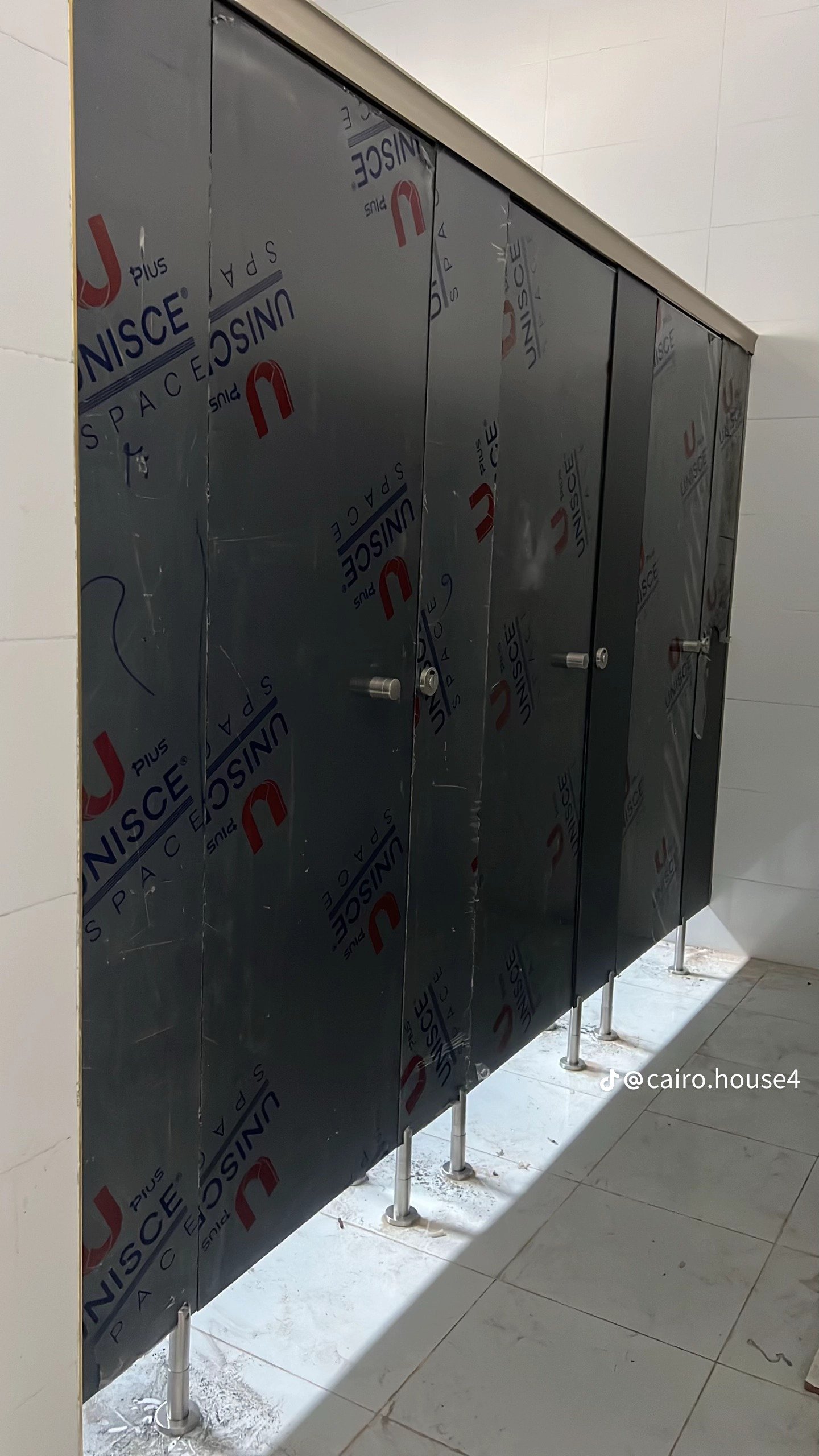
خزائن كومباكت HPL في القاهرة
كايرو هاوس يوفر خزائن كومباكت HPL في القاهرة للجيمات، المدارس، المستشفيات، الفنادق، والنوادي الرياضية. الألواح مصمتة بالكامل بدون قلب خشبي، فلا تنتفخ مع الرطوبة ولا تتقشر مع التنظيف اليومي.
نحن الوكيل الحصري في مصر لألواح UNISCE كومباكت HPL منذ 2015. الخزائن متوفرة بتشكيلات أحادية وثنائية وثلاثية الطوابق، مع أقفال من الاستانلس ستيل أو الرقمية حسب متطلبات المشروع. نغطي مصر الجديدة، مدينة نصر، القاهرة الجديدة، المعادي، والنزهة الجديدة. للاستعلام والعينات: 01066672094
Frequently Asked Questions
Why do gym lockers fail so quickly in Cairo? Most gym lockers use melamine-faced MDF. The MDF core absorbs moisture from the changing room humidity cycle, swells, and loosens all the joints and hardware fixings. The failure is not a manufacturing defect but a material choice that is wrong for the environment.
What makes compact HPL lockers different from standard lockers? Compact HPL has no absorbent substrate. The panel is solid phenolic material through its full thickness. It does not swell with humidity, which means door alignment, hinge fixings, and carcass joints stay stable over the full service life.
What thickness do I need for changing room lockers? 13mm for standard single-tier lockers up to 1800mm high with doors up to 600mm wide. Specify 16mm or 20mm for oversized doors, very high-traffic installations, or where maximum impact resistance is a priority.
What locking options are available? Key cam locks, coin-return cam locks (day-use facilities), combination locks, and digital locks. The carcass preparation differs between types, so locking type must be confirmed before fabrication, not after.
Can the same colour run across lockers and partitions? Yes. Both products use UNISCE compact HPL panels. Specifying the same colour code from the same production batch gives a consistent finish across a complete changing room fit-out.
How do compact HPL lockers compare to PVC lockers? PVC avoids the swelling issue but introduces door flex. A PVC door that flexes at every opening fatigues hinge fixings and develops a visible bow over time. Compact HPL is rigid and dimensionally stable, so doors that are true on installation stay true.
Do you supply locker systems only, or install as well? Both. Supply-only for contractors and fit-out teams, and full supply-with-installation using our own crew for clients who want a single-scope contract.
How long do compact HPL lockers last in a commercial gym? 10 to 15 years with correct hardware specification and installation. Melamine MDF lockers in the same environment typically need replacing within two to three years.
Do ventilation slots affect the structural integrity of the door? No. Ventilation slots or perforated panels are standard in compact HPL locker doors and are cut at fabrication. They do not affect door rigidity because the solid core material retains its structural properties regardless of cutout geometry.
What maintenance do compact HPL lockers need? Wipe the surfaces with a damp cloth and a neutral cleaner. Check hinge tension and lock operation every six months in high-traffic facilities. No painting, sealing, or surface treatment is ever required.
Visit the Showroom
The full UNISCE colour and finish range is available at the New Nozha showroom in physical samples. If you are specifying a complete changing room, bring your drawings and we will work through locker configuration, colour, locking type, and hardware in a single visit.
كايرو هاوس
3 ش مصر للطيران مربع 1314 عمارات الطيران المدني بجوار السندباد النزهه الجديده, Cairo Governorate 11843
Open 24 hours, 7 days
Call or WhatsApp: +201066672094
Email: info@cairohouseeg.com
Serving Heliopolis, Nasr City, New Cairo, Maadi, New Nozha, and greater Cairo. Send us your project details and we will come back the same working day.