
What Is Compact HPL
Two very different products get sold in Egypt under the same three letters. One is a thin surfacing sheet for kitchen doors. The other is a solid structural panel that a commercial washroom cubicle is built from. This page is about the second one, what it is made of and how to read a specification for it.
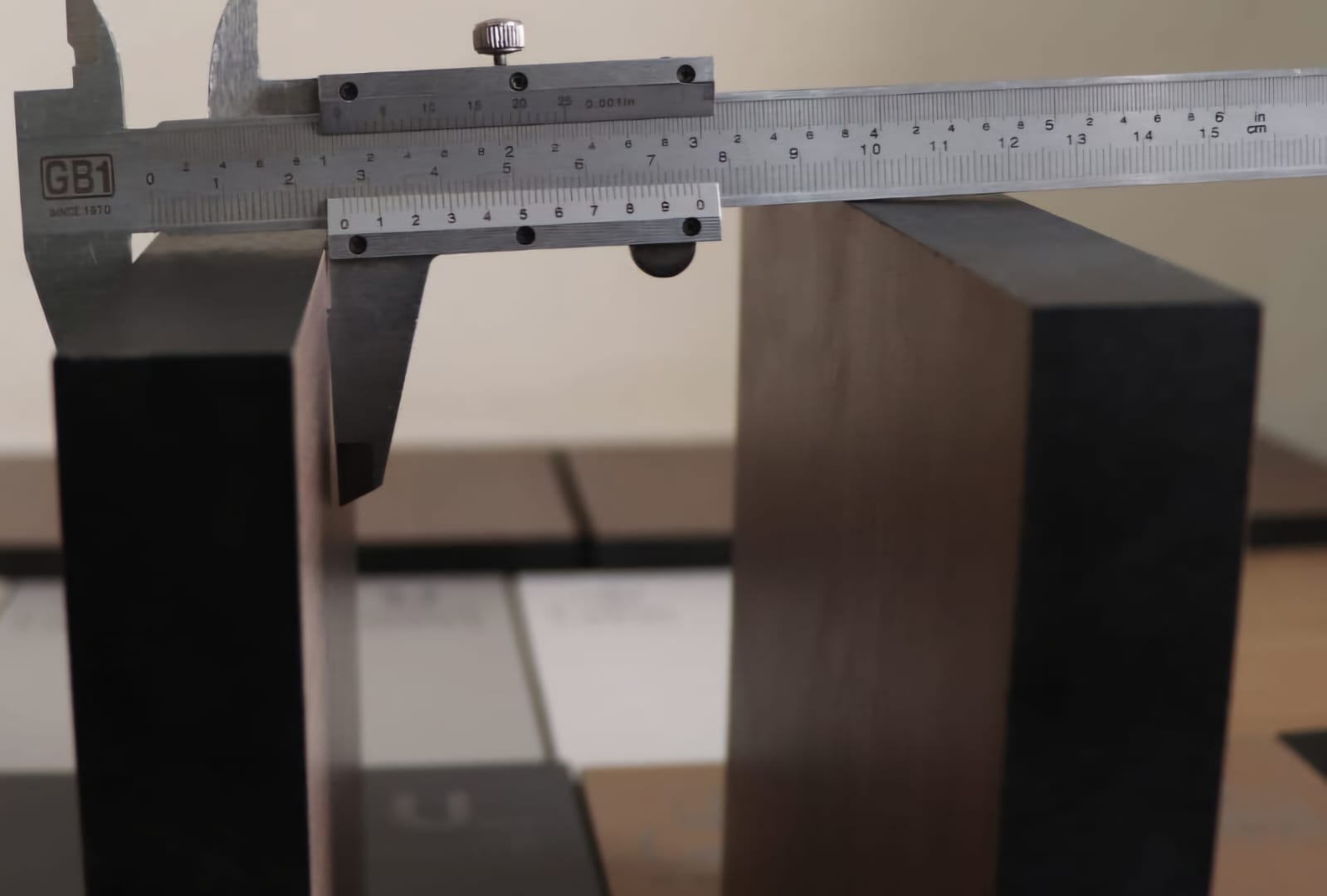
A solid panel, not a surface
The distinction that matters is structural. Decorative laminate is a face. It is between half a millimetre and just over a millimetre thick and it has to be bonded to a substrate, normally MDF or chipboard, before it can be used for anything. The substrate is what gives the door its stiffness, and the substrate is also what fails when water gets past the edge.
A compact panel has no substrate. The same phenolic material runs through the entire thickness. Cut it in half and the cut face looks like the panel, because it is the panel. That is why a compact cubicle door can stand in a puddle at the base for years and a laminated MDF door cannot.
This single difference explains most of what follows: the price, the weight, the way it is machined, and the reason it is specified for washrooms in the first place.
This sits alongside our main page on compact toilet partitions in Cairo, which covers the systems themselves rather than the material behind them.
How to tell them apart in thirty seconds
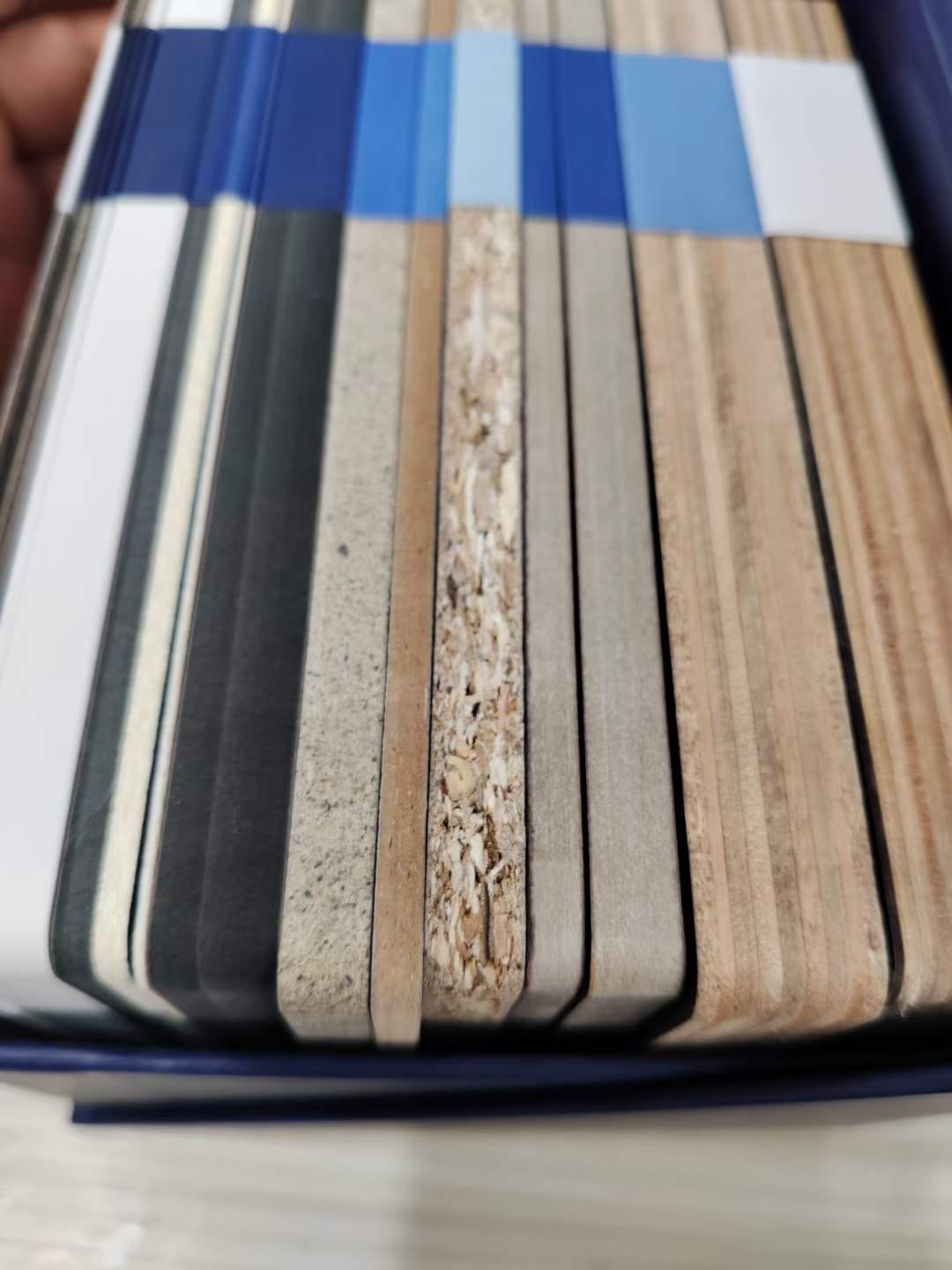
Look at the edge. A compact panel shows a solid core, usually black, sometimes matched to the face colour. A laminated board shows a thin dark line at the surface and a different material underneath, normally the pale speckle of MDF or the chip pattern of particle board.
Second test: weight. Compact is dense, around 1.35 to 1.45 grams per cubic centimetre. A 12 mm cubicle door is heavier than people expect the first time they lift one.
How the panel is pressed
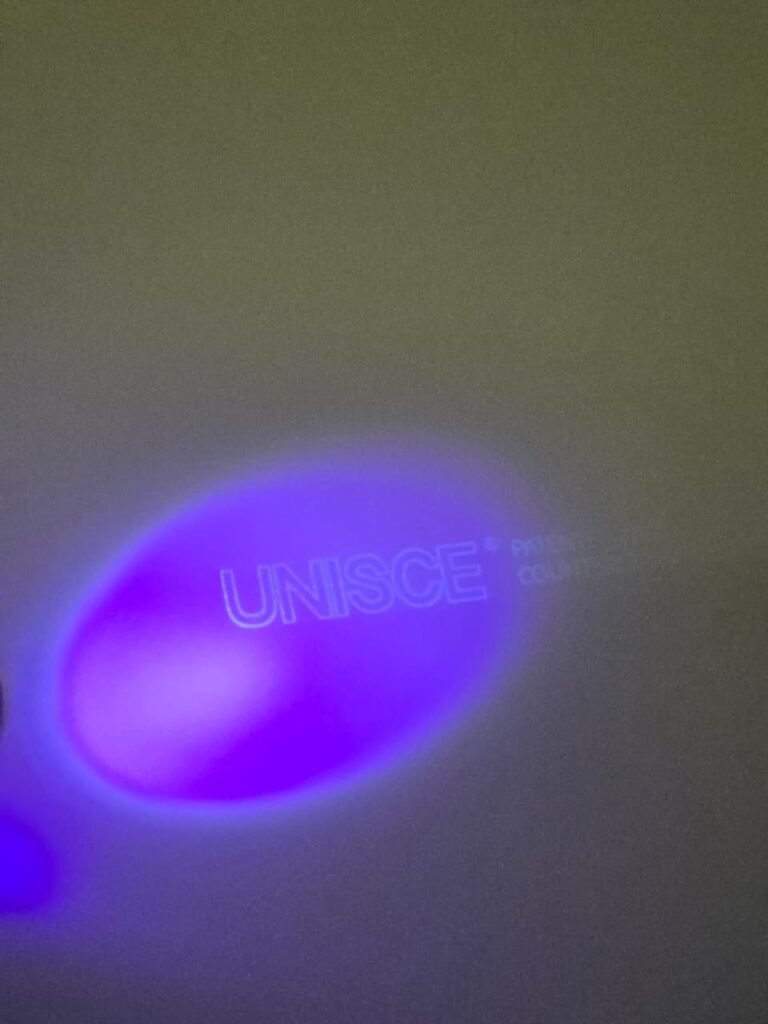
The process is straightforward and it is worth understanding because it explains the failure modes.
Sheets of kraft paper are saturated in phenolic resin and stacked. On top of the stack go one or more decorative papers carrying the colour or pattern, saturated in melamine resin instead. The whole stack goes into a press at roughly 1400 psi and around 150 degrees Celsius.
Under that heat and pressure the resins cure and cross link. The paper and resin stop being separate things and become one dense solid. This is not a lamination in the sense of gluing layers together. The layers chemically become a single material, which is why there is no glue line to fail and nothing to delaminate.
The quality variables are all in this step. How evenly the press applies pressure across a large sheet, how consistent the resin saturation is, and how well the cure is controlled. A cheap panel and an expensive panel can carry the same nominal specification and behave differently because of what happened in the press.
This is also why panel origin is the biggest single lever on price. You are paying for press consistency, and press consistency is not visible on day one.
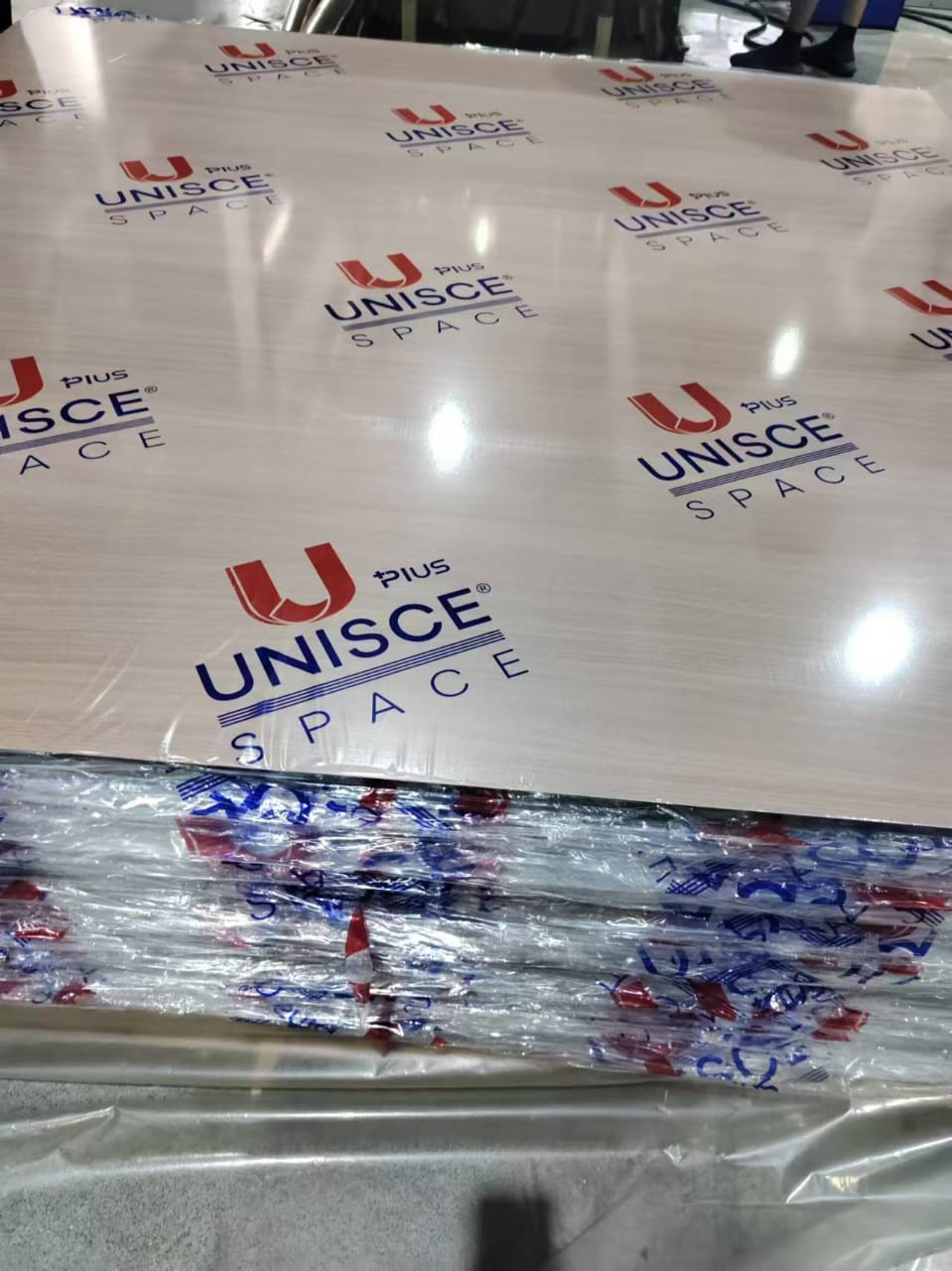
Black core, colour core, and what the edge tells you
The core of a standard compact panel is black or dark brown, because that is the natural colour of cured phenolic resin. It is not a defect and it is not a cheaper grade. It is the material.
A visible dark line around every door and divider is simply what the product looks like, and in most commercial washroom schemes it reads as a deliberate detail rather than an accident.
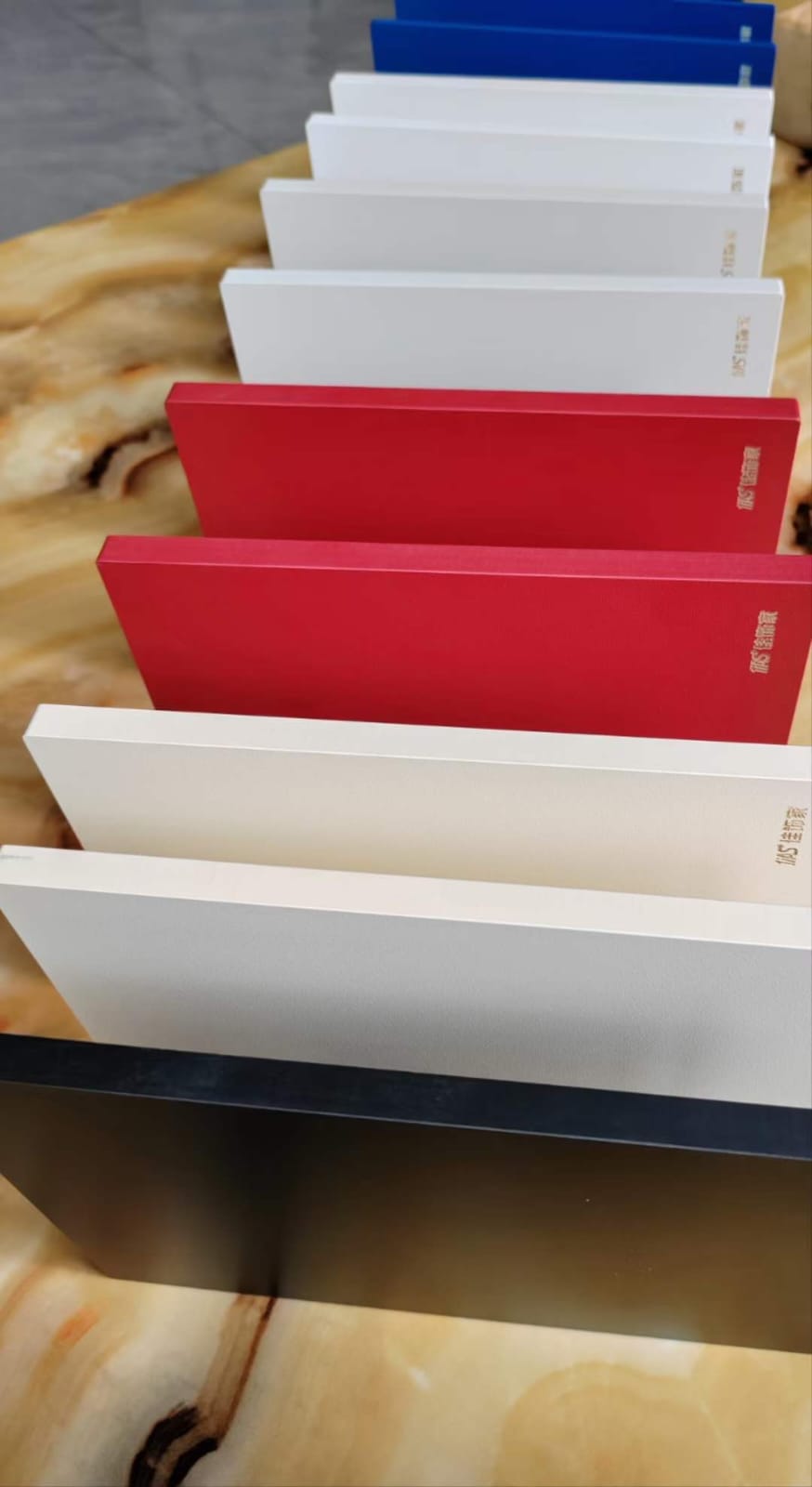
Colour core panels use pigmented resin through the thickness so the edge matches the face. They cost more and they are specified when a designer wants the edge to disappear, most often on white or light grey schemes where a black line would be conspicuous.
Edge finish is a separate decision
Whatever the core, the cut edge itself can be left as machined, lightly chamfered, or polished. A polished edge on a black core is the standard commercial look and it is the most durable, because there is no coating to chip.
Ask what edge treatment a quote assumes. It is a small line item that changes how the finished job reads.
Related reading: interior and exterior panel cladding and laboratory and washroom worktops.
The numbers on a specification sheet that matter
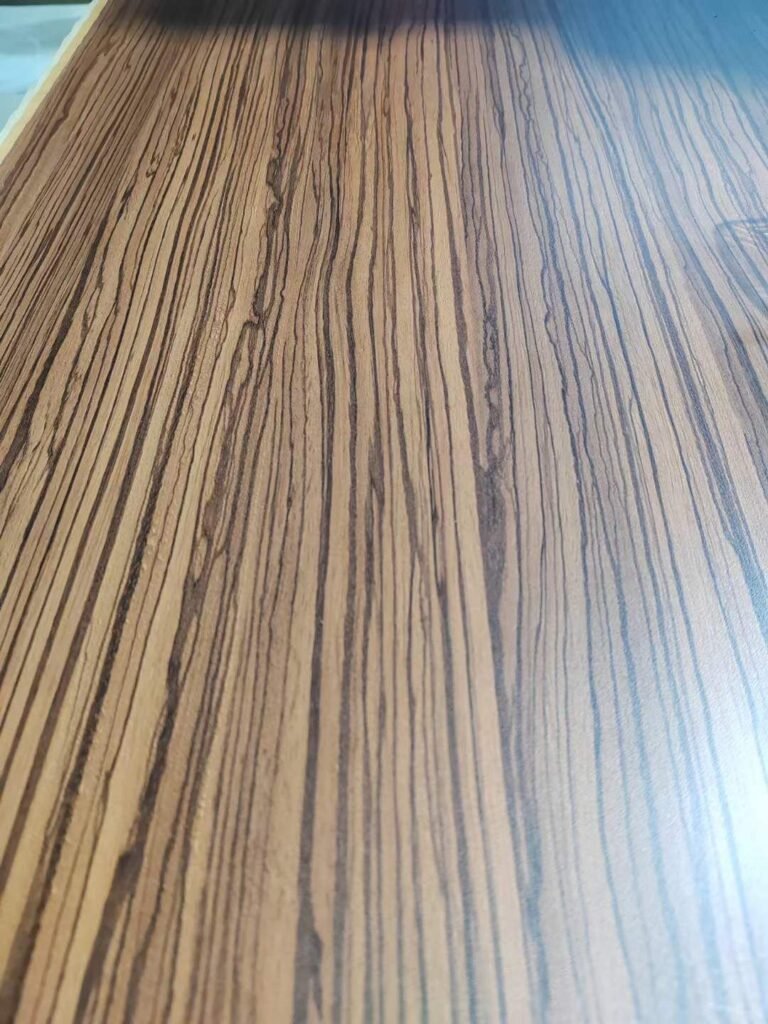
Most spec sheets carry more figures than anyone reads. These are the ones worth checking against your building.
| Property | What it means in practice | What to look for |
|---|---|---|
| Density | How solid the panel is, and therefore how it takes a fixing | Around 1.35 to 1.45 g per cubic centimetre |
| Water absorption | Whether standing water at a door base causes swelling | Very low. This is the whole reason the material is specified |
| Impact resistance | Whether a kicked door dents or marks | Tested under EN 438. Ask for the grade, not a claim |
| Surface abrasion | How the face survives scouring and repeated cleaning | Relevant where cleaning is contracted and aggressive |
| Reaction to fire | Whether the panel meets the building requirement | Ask for the classification, not the phrase fire resistant |
| Light fastness | Whether colour shifts near a window or a skylight | Matters in atriums and any daylit washroom |
If a supplier cannot produce a test document against EN 438 for the panel they are quoting, that is worth knowing before you order rather than after.

Where the material earns its place
Compact panel is not the right answer to every partition question. It is the right answer to a specific set of conditions, and it is worth being clear about which.
- Standing water at floor level, from mopping, hosing or splash. This is the primary case.
- High humidity that never really clears, which describes most Egyptian washrooms without mechanical extract.
- Cleaning with strong disinfectants, which rules out several cheaper surfaces.
- Physical abuse, whether that is a gym, a school or a public building.
- A requirement that the partition still looks presentable in year five, not just in year one.
Outside a washroom the same panel does useful work as locker carcassing, laboratory and workshop worktops, and interior or exterior wall cladding. The properties that make it survive a toilet block are the same ones that make it survive a changing room or a balcony soffit.
Where it is the wrong choice
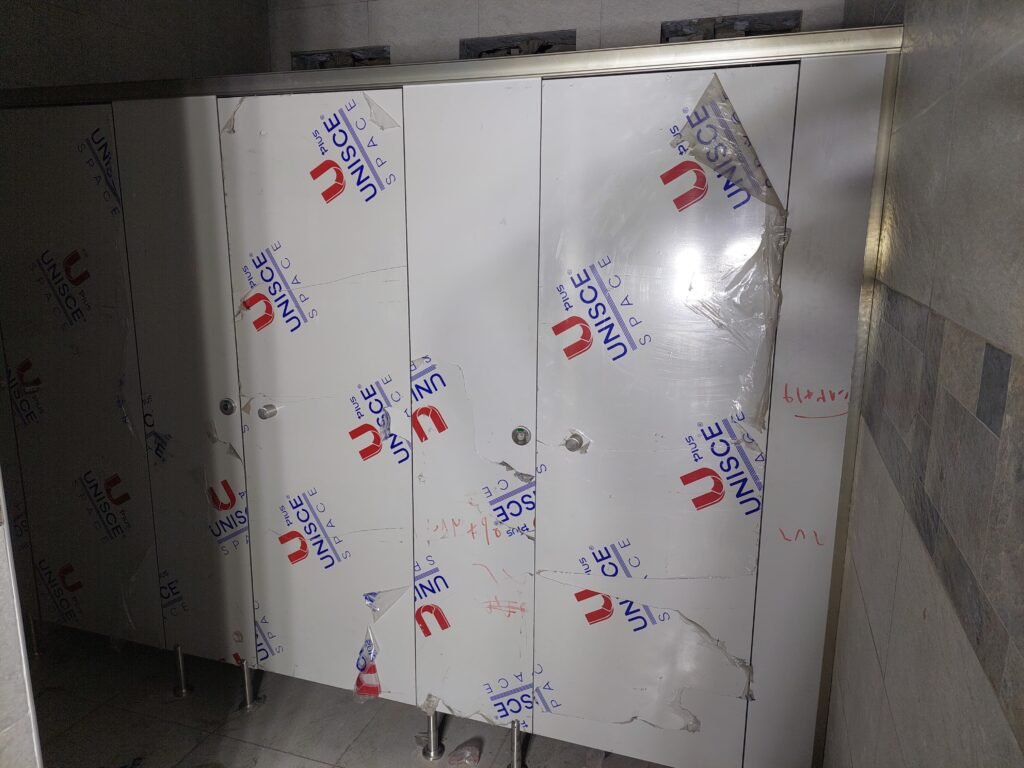
Being honest about this is more useful than a list of advantages.
It is heavy. On a refurbishment where the existing structure or fixings are marginal, the weight is a real consideration and it needs checking rather than assuming.
It is not repairable in the way a solid surface material is. A deep scratch in Corian can be sanded out. A deep scratch in a compact panel is permanent, though in practice the surface is hard enough that this rarely comes up.
It is not cheap. If the budget genuinely will not carry it, a well specified powder coated steel system is a more honest answer than a laminated MDF one that will fail.
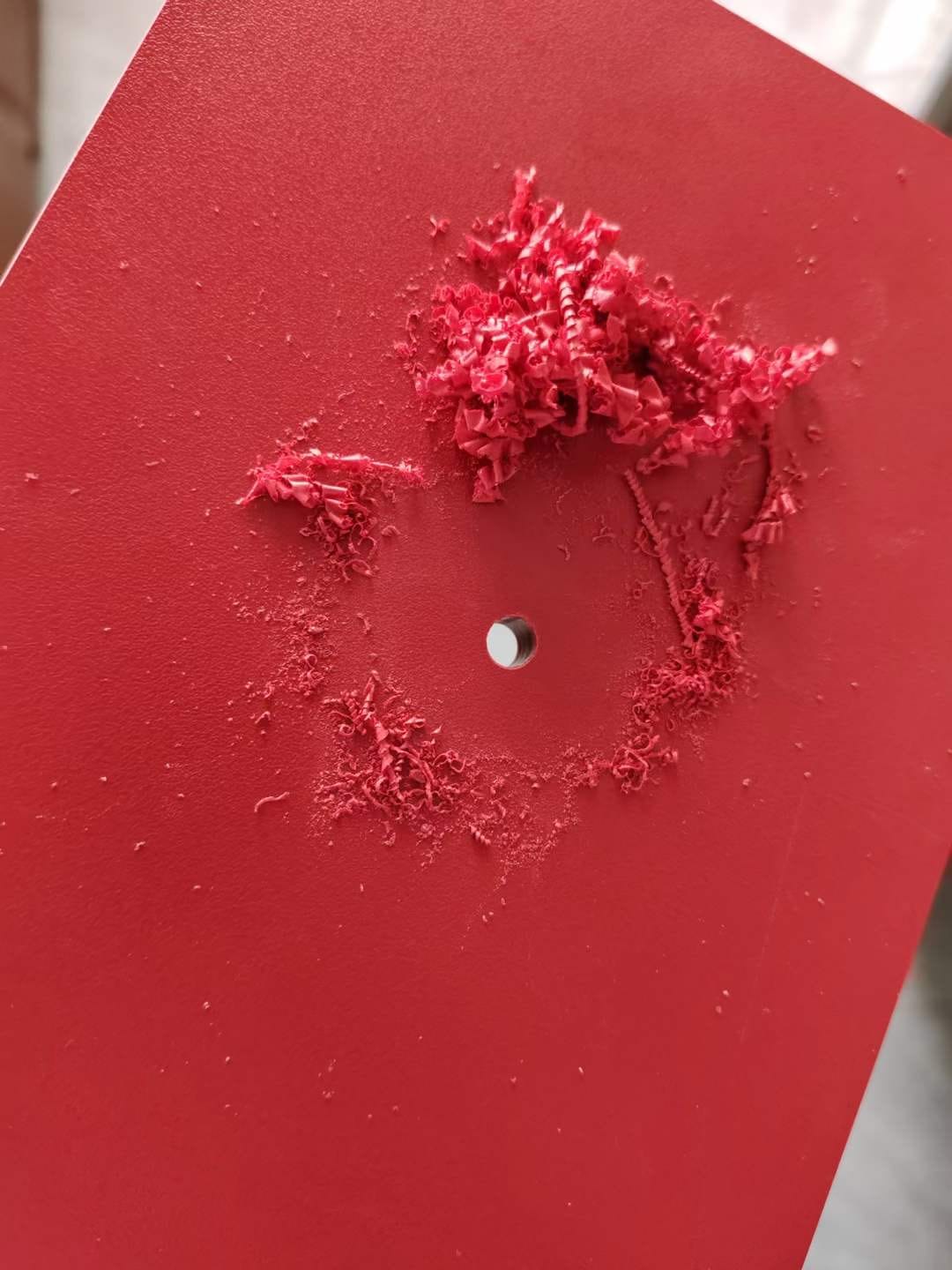
It needs proper machining. Cutting and drilling compact panel with the wrong tooling chips the face, and a chipped edge on a finished sheet cannot be undone.
Common questions
Is compact HPL the same as phenolic panel? In everyday Egyptian usage, yes. Both names describe a solid panel of kraft paper cured with phenolic resin under heat and pressure. Phenolic is the resin, compact describes the solid format.
Does the black edge mean it is a lower grade? No. Black is the natural colour of cured phenolic resin and it is what a standard panel looks like. Colour core panels exist and cost more, but they are an aesthetic choice rather than a quality upgrade.
Can compact panel be used outdoors in Cairo? There is a specific exterior grade formulated for ultraviolet exposure. Standard interior panel used outside will fade. Confirm the grade before anyone specifies it for a facade or a balcony.
Will it warp in a humid washroom? Not in the way a laminated board does. The material is dimensionally stable and does not have a substrate to swell. Very thin panels over long unsupported spans can bow, which is a specification issue rather than a material one.
Is it antibacterial? The surface is non porous and closed, which means it does not harbour growth and it tolerates disinfectant. Some manufacturers add an antibacterial layer as a specified option, which is a different claim and should be evidenced.
How is it cut on site? With carbide or diamond tooling and a proper feed rate. It is normally cut and machined in the workshop from drawings, not improvised on site, because a mistake cannot be filled or hidden.
Talk to a supplier who will show you the panel
We hold stock in Cairo and we will put a sample and a test document in front of you before you commit to anything. If compact panel is not the right material for your building we will tell you that too.
We work across the city, including washroom projects in Maadi, commercial buildings in Heliopolis and hotel and restaurant work in Zamalek. Full list on our home page.
كايرو هاوس – قواطيع حمامات كوريان و كومباكت HPL و ارضيات مرتفعة
Phone +201066672094
Email info@cairohouseeg.com
3 Misr Lel Tayaran Street, Block 1314, Civil Aviation Buildings, next to Sindbad, El Nozha El Gedida, Cairo